Plastic Pollution Crisis: 5 Breakthrough Technologies to Clean US Coastlines
Discover five innovative technologies tackling the plastic pollution crisis, from AI-powered drones to plastic-eating enzymes, cleaning America's shorelines.
Table of Contents
- Introduction
- The Sobering Reality of Plastic on Our Shores
- Technology #1: AI-Powered Drones and Autonomous Rovers
- Technology #2: The Rise of Bubble Barriers
- Technology #3: Advanced Filtration and Microplastic Capture
- Technology #4: Upcycling and Chemical Recycling Innovations
- Technology #5: Bio-Engineering and Plastic-Eating Enzymes
- The Human Element: Why Technology Isn't a Silver Bullet
- Conclusion
- FAQs
Introduction
Picture this: a serene walk along your favorite US coastline, maybe the rugged shores of Oregon or the sun-drenched beaches of Florida. You’re listening to the waves crash, feeling the gentle sea breeze. But as you look down, the sand is littered with more than just seashells and driftwood. You see bottle caps, faded plastic bags, and countless tiny, colorful fragments of unknown origin. This isn't a hypothetical scenario; it's the stark reality of our modern shores. The plastic pollution crisis has moved from a distant environmental issue to a tangible problem right at our feet, and the sheer scale of it can feel overwhelming. But what if we could fight back with more than just volunteer cleanups?
Human ingenuity, the same force that created this durable and ubiquitous material, is now being harnessed to clean it up. Across the country and around the globe, brilliant minds are developing groundbreaking technologies designed to tackle this monumental challenge. We're not just talking about bigger nets or more efficient collection bags. We’re talking about AI-driven robots, river-spanning bubble curtains, and even microscopic enzymes with an appetite for plastic. This isn't science fiction; it's the frontline of environmental innovation. In this article, we’ll explore five of the most promising breakthrough technologies that offer a glimmer of hope for restoring the natural beauty of US coastlines and protecting our precious marine ecosystems.
The Sobering Reality of Plastic on Our Shores
Before we dive into the solutions, it's crucial to grasp the magnitude of the problem. Our coastlines are choking. According to the National Oceanic and Atmospheric Administration (NOAA), billions of pounds of plastic can be found in swirling convergences in our oceans, and an estimated 8 million metric tons enter the marine environment from land-based sources every single year. That’s equivalent to dumping a garbage truck full of plastic into the ocean every minute. From the Gulf of Mexico to the coasts of California and Maine, no shoreline is immune.
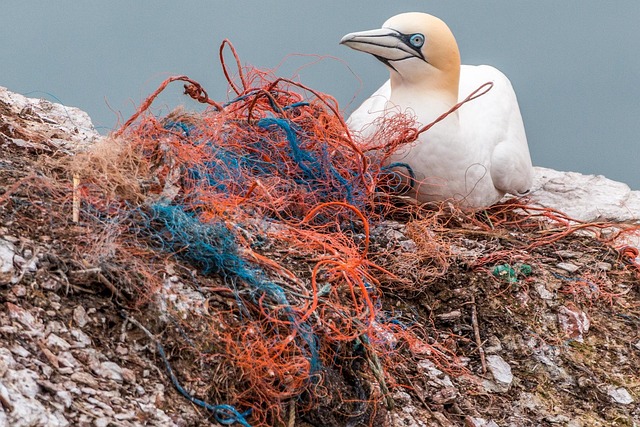
This debris isn't just an eyesore. It poses a deadly threat to marine life. Sea turtles mistake plastic bags for jellyfish, seabirds feed plastic fragments to their chicks, and whales and dolphins become entangled in abandoned fishing gear, often called "ghost nets." Beyond the visible tragedy, there's the insidious problem of microplastics—tiny particles less than five millimeters long. These fragments come from larger plastic items breaking down or are shed from synthetic clothing and car tires. They are ingested by plankton and shellfish, working their way up the food chain until, inevitably, they end up on our own dinner plates. The challenge isn't just cleaning up what we can see; it's tackling an issue that has become woven into the very fabric of our ecosystems.
Technology #1: AI-Powered Drones and Autonomous Rovers
Imagine a team of tireless workers combing beaches 24/7, without ever getting tired. That's the promise of AI-powered robotics. Instead of relying solely on human volunteers, innovators are deploying drones and autonomous rovers to identify, map, and even collect plastic waste. Drones equipped with high-resolution cameras and machine-learning algorithms can fly over vast stretches of coastline, quickly identifying plastic hotspots that would take human teams days to survey. They can distinguish between a plastic bottle and a piece of driftwood, generating precise maps that guide cleanup efforts to where they’re needed most.
Once a hotspot is identified, autonomous rovers can be sent in. Think of a small, solar-powered tank designed for sand. These machines, like the "BeBot" being tested in Florida, can sift through the sand to remove small pieces of plastic and other debris without disturbing the delicate coastal environment. This one-two punch of aerial surveillance and ground-based collection represents a massive leap in efficiency and scale for coastal cleanup operations. It frees up human volunteers to focus on more complex tasks and allows for continuous, data-driven cleanup strategies.
- Precision Targeting: AI algorithms trained on thousands of images can distinguish plastic waste from natural objects with remarkable accuracy, ensuring that only trash is targeted.
- Data-Driven Strategy: These systems don't just clean; they collect invaluable data on the types and locations of pollution, helping experts trace waste back to its source and prevent future pollution.
- Access to Remote Areas: Drones and rovers can reach inaccessible or hazardous areas like rocky coves or delicate marshlands, cleaning places that human teams often can't.
Technology #2: The Rise of Bubble Barriers
What if you could stop plastic from ever reaching the coast in the first place? A significant portion of ocean plastic originates from rivers, which act as conveyor belts carrying urban waste out to sea. This is where the elegantly simple yet highly effective "Bubble Barrier" comes into play. Pioneered by a Dutch startup, this technology involves placing a perforated tube on the riverbed. Compressed air is then pumped through it, creating a curtain of bubbles that rises to the surface.
This wall of bubbles doesn't block the flow of water or impede fish and ships—they can pass right through it. However, the upward current it creates is strong enough to gently guide floating plastics to the side of the river, where they are funneled into a collection system. It's a non-invasive, 24/7 solution that captures plastic before it fragments into harmful microplastics in the harsh marine environment. While primarily deployed in Europe so far, the concept is being actively explored for US rivers and estuaries that are known conduits of plastic pollution into coastal waters. It’s a perfect example of preventative technology, addressing the problem upstream with minimal ecological impact.
Technology #3: Advanced Filtration and Microplastic Capture
While beach-roaming robots and bubble barriers are great for visible plastics, what about the trillions of microplastic particles already swirling in our coastal waters? These tiny pollutants are a far more complex challenge, requiring microscopic solutions. Fortunately, a new wave of advanced filtration technologies is emerging to capture these invisible invaders, both at the source and from the environment. For example, simple-yet-effective filters for washing machines, like the Guppyfriend bag or attachable filters, can stop thousands of synthetic microfibers from entering our wastewater systems with every load of laundry.
On a larger scale, engineers are designing vortex-based systems that can be installed in stormwater drains or industrial wastewater outlets. These devices use the physics of water flow to separate denser microplastics from water, capturing them before they are discharged. According to a study published in Environmental Science & Technology, urban runoff is a major pathway for microplastics into aquatic systems. By implementing these filtration systems at key discharge points in coastal cities, we can significantly reduce the load of microplastics entering our bays and estuaries. It's a less glamorous but critically important battle being fought at the microscopic level.
Technology #4: Upcycling and Chemical Recycling Innovations
Collecting plastic is only half the battle. What do you do with the mountains of degraded, mixed, and often low-value plastic waste recovered from the coastline? Simply sending it to a landfill defeats the purpose. This is where advanced recycling and upcycling technologies come in, creating a circular economy for what was once considered trash. Unlike traditional mechanical recycling, which often "downcycles" plastic into lower-quality products, these new methods break plastic down on a molecular level.
Chemical recycling processes like pyrolysis and gasification can convert mixed plastic waste—the kind that’s impossible to sort—back into its original chemical building blocks or into a synthetic oil. This "feedstock" can then be used to create brand-new, virgin-quality plastics or other valuable chemicals, closing the loop entirely. Other innovators are focused on upcycling. For example, companies are transforming collected ocean plastic into high-quality fibers for clothing, shoes, and even materials for 3D printing. These technologies create a powerful economic incentive for cleaning up our coastlines by turning a pollution problem into a valuable resource.
- Circular Economy Model: Instead of a linear "take-make-dispose" model, these technologies create a loop where plastic waste becomes a resource for new products.
- Handles Contaminated Waste: Chemical recycling is often more tolerant of the contamination and degradation found in marine plastics compared to traditional methods.
- Reduces Fossil Fuel Dependence: Creating new plastics from waste feedstock reduces the need to extract fossil fuels, the primary ingredient for virgin plastic production.
Technology #5: Bio-Engineering and Plastic-Eating Enzymes
Perhaps the most futuristic—and potentially revolutionary—technology in the fight against plastic pollution comes from the world of biology. In 2016, scientists discovered a bacterium, Ideonella sakaiensis, that had naturally evolved to eat a common type of plastic called polyethylene terephthalate (PET). This discovery opened up an entirely new field: using enzymes and microbes to literally digest our plastic waste. Since then, researchers have been working to supercharge these natural processes.
Scientists at institutions like the University of Texas at Austin have used machine learning to engineer a "super-enzyme" variant that can break down PET plastics in a matter of hours or days, rather than the centuries it would take in nature. The process, known as enzymatic hydrolysis, deconstructs the plastic into its original monomers. These chemical building blocks can then be re-polymerized to create new, food-grade plastic, representing the ultimate form of recycling. While this technology is still largely in the lab and scaling it up for industrial use is a major hurdle, it offers a tantalizing vision of a future where plastic waste is truly and cleanly biodegradable.
The Human Element: Why Technology Isn't a Silver Bullet
With all this exciting innovation, it can be tempting to see technology as a silver bullet that will solve the plastic pollution crisis for us. But is it really that simple? The truth is, these incredible tools are only one part of a much larger puzzle. They are designed to manage the symptoms of our plastic problem—the billions of tons of waste already in the environment. However, they don't address the root cause: our staggering rate of plastic production and consumption.
Experts from organizations like the Ocean Conservancy and the Plastic Pollution Coalition emphasize that the most effective solution is to "turn off the tap." Cleanup technologies must be paired with aggressive policies that reduce single-use plastics, hold corporations accountable for the entire lifecycle of their products, and promote a culture of reuse. Technology can help us clean up the mess we’ve made, but systemic change—driven by policy, corporate responsibility, and our own daily choices—is what will prevent the mess from being made in the first place. The human element remains the most critical component of the solution.
Conclusion
The image of plastic-strewn coastlines can evoke feelings of despair, but as we've seen, it should also inspire hope and action. From AI-guided rovers meticulously sifting sand to bio-engineered enzymes that can digest plastic, we are witnessing a remarkable surge of innovation aimed directly at healing our oceans and shores. These five technologies represent more than just clever engineering; they are a testament to our collective will to solve the problems we create. They offer a tangible path forward, a way to actively mitigate the damage of the ongoing plastic pollution crisis.
However, we cannot afford to become complacent and rely on technology alone to save us. The ultimate victory will be won not just on our beaches, but in our boardrooms, our statehouses, and our homes. By supporting these emerging technologies, advocating for smarter policies, and making more conscious choices as consumers, we can create a two-pronged attack: cleaning up the legacy of plastic from our past while building a more sustainable, less disposable future. Our coastlines are a shared treasure, and protecting them requires a fusion of our best technology and our deepest commitment to change.
FAQs
What are microplastics and why are they so dangerous?
Microplastics are tiny plastic particles less than five millimeters in diameter. They are dangerous because their small size allows them to be easily ingested by marine life, from plankton to whales. They can cause internal injuries, block digestive tracts, and leach harmful chemicals. As they move up the food chain, they accumulate in larger animals, including humans, with potential health effects that are still being researched.
Can these technologies solve the plastic problem on their own?
No, technology alone is not a silver bullet. While these cleanup technologies are crucial for mitigating existing pollution, they do not address the source of the problem. A comprehensive solution must also include reducing our production and consumption of single-use plastics, implementing better waste management systems, and holding producers accountable through policies like Extended Producer Responsibility (EPR).
How can I support efforts to clean US coastlines?
You can help in several ways: 1) Reduce your own plastic consumption by opting for reusable items. 2) Participate in or organize local beach cleanups. 3) Support non-profit organizations dedicated to ocean conservation through donations or volunteering. 4) Advocate for local and national policies aimed at reducing plastic pollution.
Which type of plastic is most common in ocean pollution?
The most common types of plastic found in ocean pollution are from single-use items. According to the Ocean Conservancy's annual cleanup data, items like cigarette butts (which have plastic filters), food wrappers, plastic beverage bottles, plastic bottle caps, and plastic grocery bags consistently top the list of most-collected trash.
Are bubble barriers harmful to fish?
No, one of the key design features of bubble barriers is that they are not harmful to aquatic life. Fish and other marine animals can swim through the bubble curtain unimpeded. The sound produced by the system can even help deter fish from swimming into the collection system, making it an ecologically friendly solution.
What is the difference between upcycling and recycling?
Recycling generally refers to the process of converting waste materials into new materials and objects. This can sometimes result in a lower-quality material (downcycling). Upcycling is a specific form of recycling where the waste material is converted into something of higher quality or value. For example, turning collected ocean plastic into a durable, high-fashion pair of sneakers is an act of upcycling.
Are plastic-eating enzymes a real solution or just science fiction?
They are a very real and promising area of scientific research. While not yet available on a massive commercial scale, scientists have successfully engineered enzymes that can break down certain plastics (like PET) into their original chemical components very quickly in a lab setting. The biggest challenge now is scaling this technology to make it cost-effective and efficient for processing large volumes of plastic waste.